

You’ve probably heard it growing up: “Magpakabait ka, huwag kang magpabuntis.” In many Filipino households, those words carry more weight than a whole sex ed class. The idea of virginity in Filipino culture, apart from being a private matter, is also a public expectation, often tied to your reputation, your family’s honor, even your future.
But what does virginity really mean—and who gets to define it?
In the Philippines, virginity is often framed through a narrow, religious, and gendered lens. Young women, especially, are taught to treat it as a badge of morality or a gift to be “saved” for marriage. Men? Not so much. The rules are also rooted in centuries-old beliefs that still shape how people talk (or don’t talk) about sex, purity, and worth.
This article aims to unpack the complex layers around virginity in Filipino culture; where those ideas come from, how they affect people today, and why redefining them matters. Because understanding the past is one thing. Choosing your own values? That’s power.
The Roots of Virginity Norms in the Philippines
In the Philippines, the concept of virginity didn’t appear out of nowhere. It was built, layer by layer, through religion, colonization, and patriarchal systems that still cast long shadows over everyday life.
Let’s start with the basics: virginity isn’t a medical condition. It’s not something you can check, test for, or lose like a sock in the laundry. It’s a social construct, an idea created by people, then passed down like family heirlooms. And with virginity in Filipino culture, that idea has been tightly wrapped around morality, respectability, and gender.
Religion laid the foundation
Much of this thinking traces back to Catholicism, which remains deeply embedded in Filipino identity. When Spanish colonizers arrived in the 1500s, they brought the religion and mass conversions swept the islands. Along with the Bible came lessons about purity, sin, and the Virgin Mary; whose untouched status wasn’t just holy, it was idealized.
Mary’s virginity became the model of womanhood: pure, obedient, chosen. Her image was weaponized, turned into a gold standard for girls to measure themselves against. You weren’t just expected to be good, you had to be untouched.
This religious ideal wasn’t symbolic. It translated into rules, gossip, and family pressure. “Don’t wear that.” “Don’t go out late.” “Don’t be too close to boys.” The way you dressed, spoke, or smiled could all be policed under the assumption that it might put your so-called purity at risk.
Enter María Clara: the ultimate Filipina archetype
If Mary was the spiritual model, María Clara was the cultural one. Immortalized in José Rizal’s novels, María Clara was beautiful, modest, and tragically obedient. She didn’t talk back. She didn’t explore desire. She existed as someone to be admired, protected, and eventually married off.
As a fictional character, she became a blueprint for generations of women. Schools taught her story as part of the national identity, embedding her demure silence into the expectations placed on real girls across the country.
So much of virginity in Filipino culture ties back to María Clara. Her femininity was defined by restraint, while her value was defined by what she didn’t do.
Property, power, and patriarchy
Long before modern sex ed (or even modern romance), virginity was treated as currency—especially in land-owning, patriarchal societies. A woman’s sexual history was tied to her family’s honor and her marriageability. If she wasn’t a virgin, it could damage her family’s reputation, threaten alliances, or raise doubts about paternity and inheritance.
This thinking persists. Even today, some families still talk about a daughter’s virginity like it’s part of her dowry. That mindset comes from both tradition and control. A girl’s body becomes a battleground for someone else’s pride.
Taboos, Misinformation, and Unequal Consequences
The weight of virginity in Filipino culture comes from tradition and is reinforced by silence, myths, and taboos that often go unchallenged. These unspoken rules don’t affect everyone equally. For many, especially women and survivors of violence, the social consequences go far beyond reputation. They shape how bodies are policed, how sex is misunderstood, and how worth is measured.
1. The hymen myth still shapes expectations
One of the most persistent misconceptions about virginity in Filipino culture is that the hymen can confirm whether someone has had sex.
It can’t.
Hymens are soft, stretchy tissues that vary widely between individuals. They can stretch—or wear down—through everyday activities like sports, bike riding, or tampon use. Some people bleed during their first sexual experience. Many don’t. Neither outcome proves anything.
Still, the myth lingers. In some communities, a lack of bleeding is seen as suspicious. In others, “virginity testing” has been suggested, despite being discredited by medical professionals and condemned by the World Health Organization and other organizations.
The danger isn’t just the misinformation, it’s also how that misinformation is used to judge, shame, or control.
2. Unequal expectations, unequal consequences
The idea of virginity doesn’t operate on a level playing field. Men are often encouraged to explore and gain experience. For women, virginity is still framed as something to protect or something that defines their worth.
This is the sexual double standard in practice:
- A man with multiple partners is seen as assertive or successful
- A woman in the same situation is labeled reckless or immoral
- Families worry more about their daughters’ reputations than their sons’ behavior
The imbalance is rarely stated outright. But it’s enforced in subtle, everyday ways: curfews, clothing rules, whispered warnings, even who gets blamed when boundaries are crossed.
3. Silence breeds confusion and harm
In many Filipino households and schools, sex is a subject to avoid, not discuss. Instead of clear, science-based education, young people are often given moral lessons wrapped in fear. They’re told not to ask questions. Not to think about it. Not to make mistakes.
The result? Confusion. Shame. Misinformation passed off as truth.
Without accurate knowledge or supportive conversations, many struggle to navigate relationships, consent, or safety. Even well-meaning silence can create blind spots that lead to real risks.
4. Survivors face stigma, not support
One of the most damaging effects of how virginity in Filipino culture is framed lies in how survivors of sexual violence are treated.
When virginity is seen as something that can be “taken,” it creates the false impression that a survivor has lost something essential or irreparable. Some religious teachings have even suggested that virginity, once gone, can never be restored, even by God.
This view isolates people who’ve experienced trauma. It shifts focus from the harm done to their supposed “purity,” reinforcing guilt where there should be care.
Others argue for a more just perspective: that consent, agency, and dignity, not physical state, define a person’s integrity. Virginity, then, is not a fragile object, but a social idea that deserves reexamination.
Redefining Worth, One Choice at a Time
Cultural taboos and double standards have long dictated how Filipinos talk about sex and morality. But as more people begin to question those inherited narratives, new conversations are emerging, ones that center personal agency, accurate information, and self-worth over outdated expectations.
Autonomy over assumptions
Virginity doesn’t define you. That statement may seem simple, but in practice, it challenges centuries of cultural programming. In many Filipino communities, a person’s worth—especially a woman’s—is still subtly (or overtly) tied to sexual “purity.” But the idea that virginity determines morality, marriageability, or dignity isn’t just outdated. It was never fair to begin with.
Today, more Filipinos are recognizing that.
Whether you choose to be abstinent, sexually active, or something in between, those choices don’t need to be validated by religion, family, or tradition. They’re yours. And that right to choose isn’t about rebellion, it’s about ownership over your body and your life.
The role of sexuality education
Changing the way we think about virginity in Filipino culture starts with better information.
Comprehensive sexuality education (CSE) essentially covers anatomy and pregnancy prevention. Moreover, it includes discussions around consent, healthy relationships, personal values, and boundaries. CSE respects the fact that people come from different backgrounds, but it doesn’t rely on fear or moral judgment to get the point across.
In practice, sex education helps people:
- Understand how their bodies work
- Make informed, respectful decisions
- Develop empathy for others’ choices and experiences
- Spot coercive or unhealthy dynamics early
- Talk openly about sex without shame
In the Philippines, however, many schools either skip this topic entirely or frame it through abstinence-only messaging. Teachers often lack proper training, and lessons (if offered) may be influenced by conservative ideologies that reinforce taboos instead of encouraging curiosity and self-respect.
Still, progress is possible. Small shifts in language, access to credible resources, and peer-led discussions are already creating safer spaces for young people to learn and ask real questions.
Moving toward dignity and choice
There’s no single way to reclaim or redefine virginity. For some, it’s still a deeply held spiritual value. For others, it’s a label that never felt relevant in the first place. The important part is recognizing that people deserve the freedom to decide for themselves, without being punished for it.
When society stops treating virginity as a benchmark of worth, the conversation shifts from judgment to understanding. From silence to support. From control to choice.
And that shift doesn’t have to be loud or dramatic. Sometimes it’s as simple as letting people define their own stories and respecting them enough not to interfere.
Beyond the Label
Virginity has long been treated as a measure of morality, shaped by tradition, religion, and social pressure. But when you strip away the silence and examine where those ideas come from, you begin to see them for what they are—social constructs, not truths. Your worth isn’t tied to a single experience or expectation. It’s something you define for yourself, with or without the labels.
Owning that narrative means being informed, making choices that feel right for you, and having access to resources that support your growth.
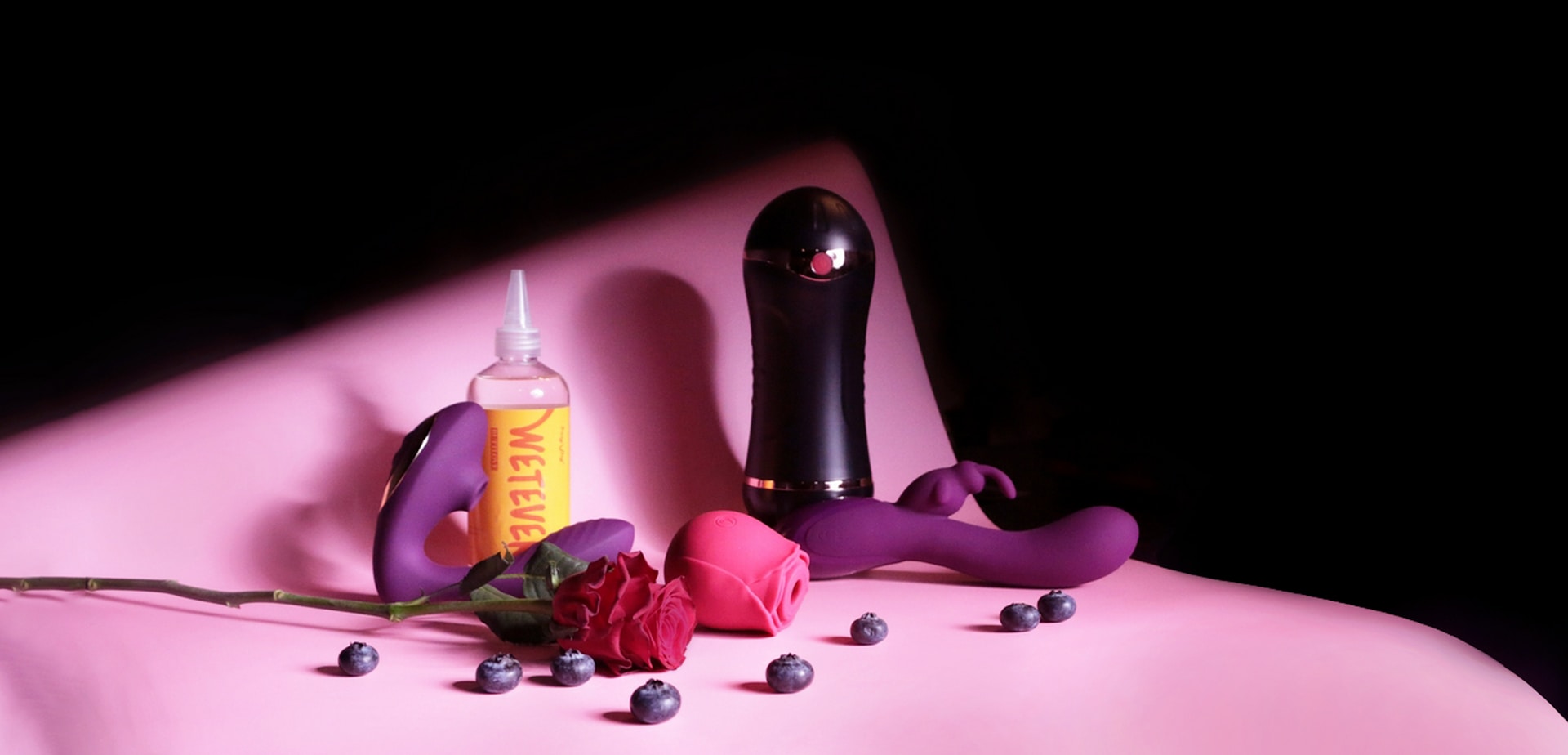
If you’re exploring your body, reclaiming pleasure, or simply curious, Pink Bunny makes that journey easier. As a trusted sex toy shop in the Philippines, we offer a wide selection of tools that empower you to reconnect with your body on your own terms, from beginner-friendly vibrators for sex to high-quality dildos for all preferences.
We deliver anywhere in the country, with free shipping on orders over ₱1,490, same-day delivery in NCR, discreet packaging, and cash on delivery payment available. Whether you’re looking for your first toy or your next favorite, we’re here to help!
Got questions? Message us at 0928 382 8623 via WhatsApp or Viber. Or visit us at our branches in Makati, Cebu, or Angeles City.