
🐰 TL;DR
Gender expression and identity provide a framework for understanding the diverse ways individuals experience and share their truth within Philippine society and beyond.
- Identity is a private, internal knowledge of who you are.
- Expression is the outward, visible way you signal your gender.
- Gender exists on a broad spectrum beyond traditional binary labels.
- Using correct pronouns and practicing allyship fosters inclusive environments.
You see the diversity of human experience everywhere you look. From the crowded jeepneys in Manila to the corporate offices in Makati, people live their truths in countless ways.
Yet, navigating the nuances of gender in the Philippines still feels confusing for many. This confusion usually comes from a simple misunderstanding. People often mistake who a person is for how they choose to look. These mix-ups do more than cause awkward conversations. They can make your friends, family, or coworkers feel unseen.
Understanding these concepts helps you build stronger, more authentic connections. This guide simplifies the essentials of gender so you can foster a more respectful and affirming environment for everyone!
What is Gender Identity?
Gender identity is your internal, personal sense of being a man, a woman, a blend of both, or neither. This deep-seated knowledge comes from within and remains independent of your physical appearance or the sex assigned at birth. Because this identity is internal, others only know it when you share it.
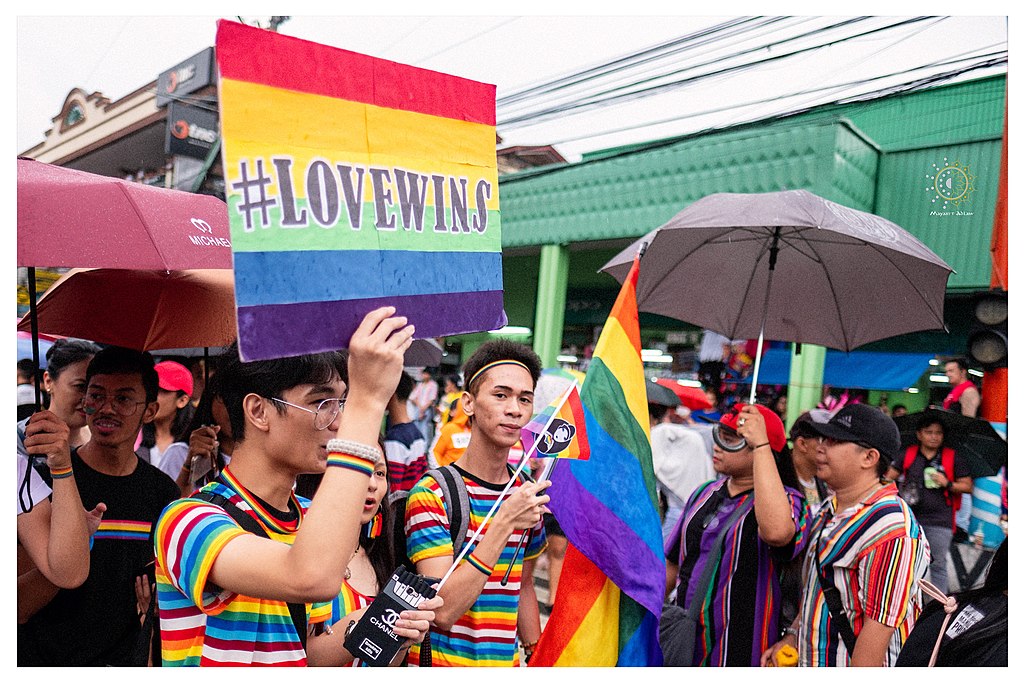
Your identity acts like an internal compass. While many Filipinos grow up with the strict binary of lalake (man) or babae (woman), the human experience reaches far beyond those two labels. You might find that your internal truth aligns perfectly with your birth certificate. Alternatively, you may realize you belong to one of the many gender identities that exist outside traditional expectations.
Recognizing your identity requires self-reflection. It differs from who you find attractive or how you choose to dress. In our local culture, family pressure often complicates this journey, but your identity remains yours to define.
What Are the Different Types of Gender Identities?
When you ask what the types of genders are, you move away from the idea that everyone fits into two boxes. Human identity covers a broad spectrum. Exploring gender identities helps you understand that diversity is natural and exists in every corner of our society. Here are some of the most common identities:
1. Cisgender
Your gender identity aligns with the sex a doctor assigned you at birth. Most people in the Philippines fall into this category.
2. Transgender
Your identity differs from the sex you were assigned at birth. A trans woman is someone assigned male at birth who knows herself to be a woman.
3. Non-binary
This umbrella term describes people whose identity doesn’t fit the “man” or “woman” categories. They might feel like a mix of both, neither, or something else entirely.
4. Genderqueer
People using this label often reject traditional gender categories. It represents an identity that exists outside of or challenges societal norms.
5. Gender fluid
This describes an identity that shifts over time. A person might feel more like a man one day and more like a woman or non-binary the next.
6. Agender
Some people do not identify with any gender at all, describing themselves as gender-neutral or without a gender.
What is Gender Expression?
Gender expression is the external way you present your gender to others through clothing, hair, behavior, and voice. While identity lives inside your mind, expression remains outward and visible to those around you. You use these external cues to signal your gender to society, often drawing from cultural norms or personal style.
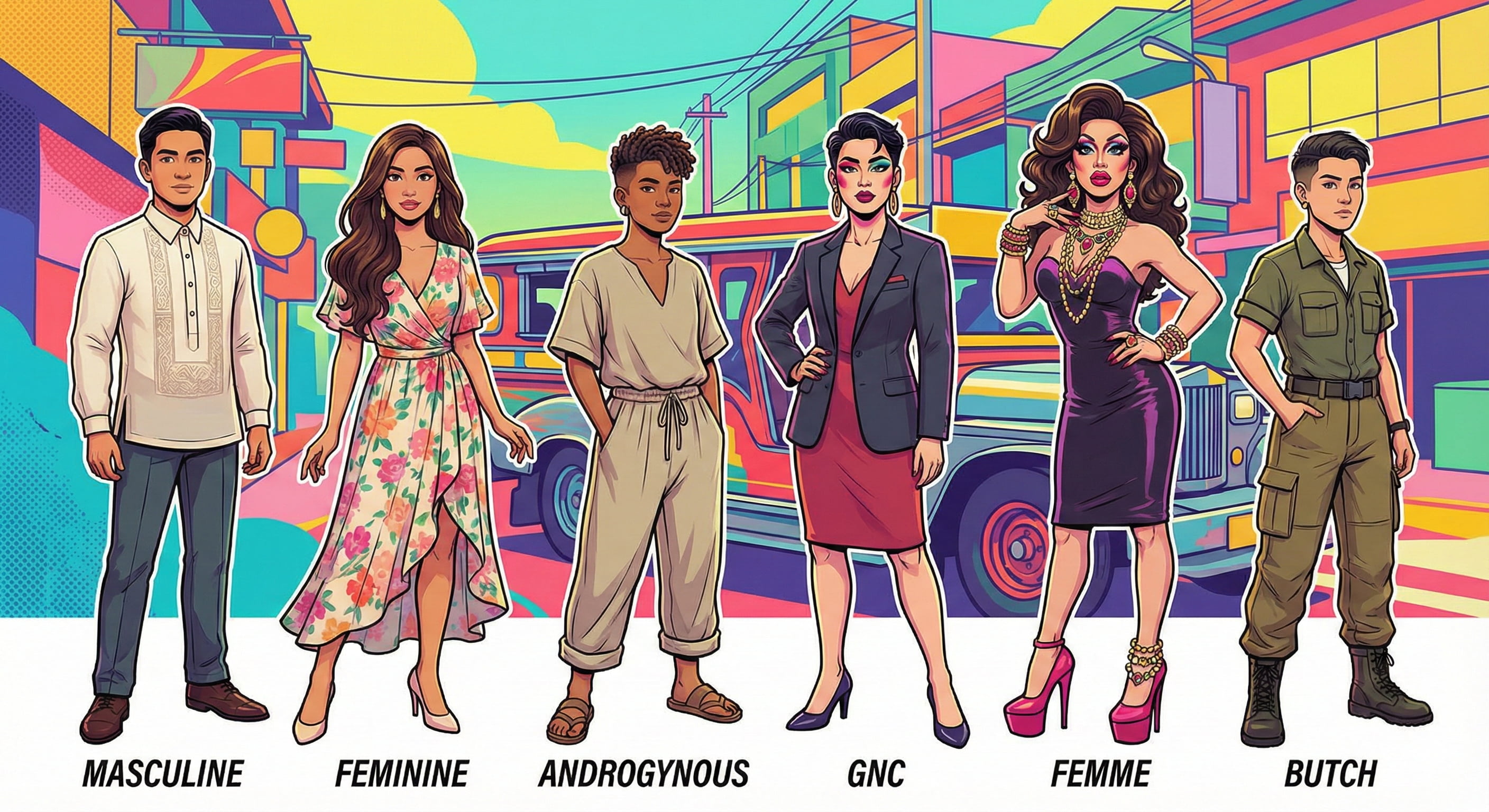
Common Examples of Gender Expression
Your wardrobe and grooming choices serve as a visual language. Think about the variety you see daily in the Philippines. You might notice a man with long, dyed hair in a creative office or a woman wearing a tailored barong at a formal event. These choices fall into several common categories:
1. Masculine
An expression often involving short hair, structured or “men’s” clothing, and a more stoic or assertive physical presence. In a local context, this might look like a classic “clean-cut” style or a rugged, outdoorsy aesthetic.
2. Feminine
This includes styles traditionally linked to women, such as longer hair, cosmetics, and flowing silhouettes. It often incorporates softer mannerisms and a focus on grace or nurturing traits, widely seen in the vibrant fashion and pageant cultures of the Philippines.
3. Androgynous
A style representing a deliberate mix of both masculine and feminine traits. An androgynous person often aims for ambiguity, choosing clothing and grooming that make their gender difficult for others to categorize at a glance.
4. Gender non-conforming (GNC)
This presentation actively challenges the “rules” people expect for your assigned gender. A GNC person might wear a dress with a full beard or a suit with heavy makeup, purposely subverting societal expectations to express their unique truth.
5. Femme
Often used in queer communities, “femme” is an intentional and often exaggerated embrace of femininity. It is more than just “looking like a girl”; it is a reclaimative style that uses feminine markers (e.g., high heels, bold lipstick, or elaborate jewelry) as a source of power and identity.
6. Butch
Similarly rooted in queer history, “butch” describes an intentional and strong masculine presentation. It emphasizes traits like utility clothing, short-cropped hair, and a protective or “chivalrous” demeanor, standing as a proud alternative to traditional feminine expectations.
Gender Identity vs. Gender Expression
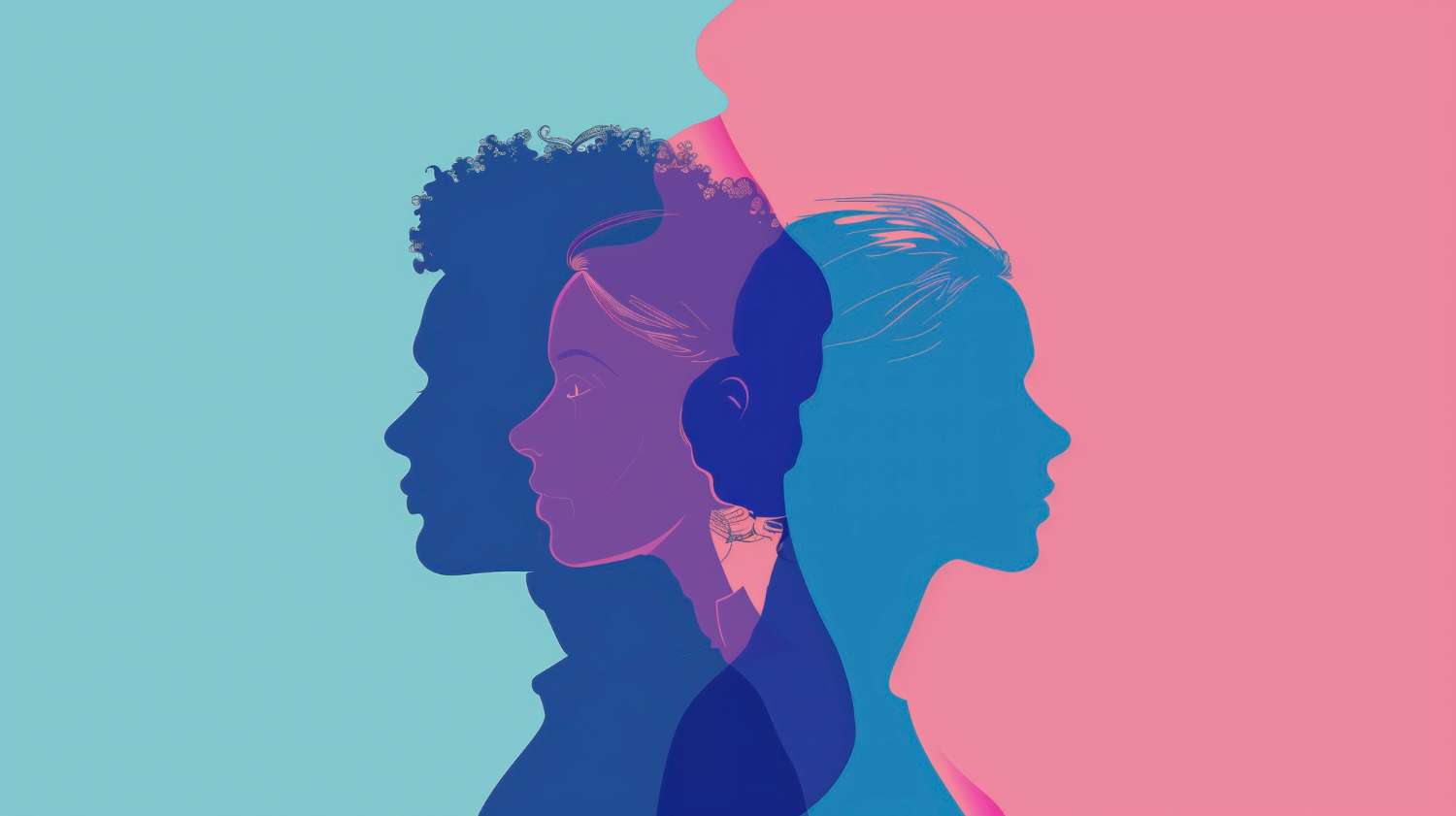
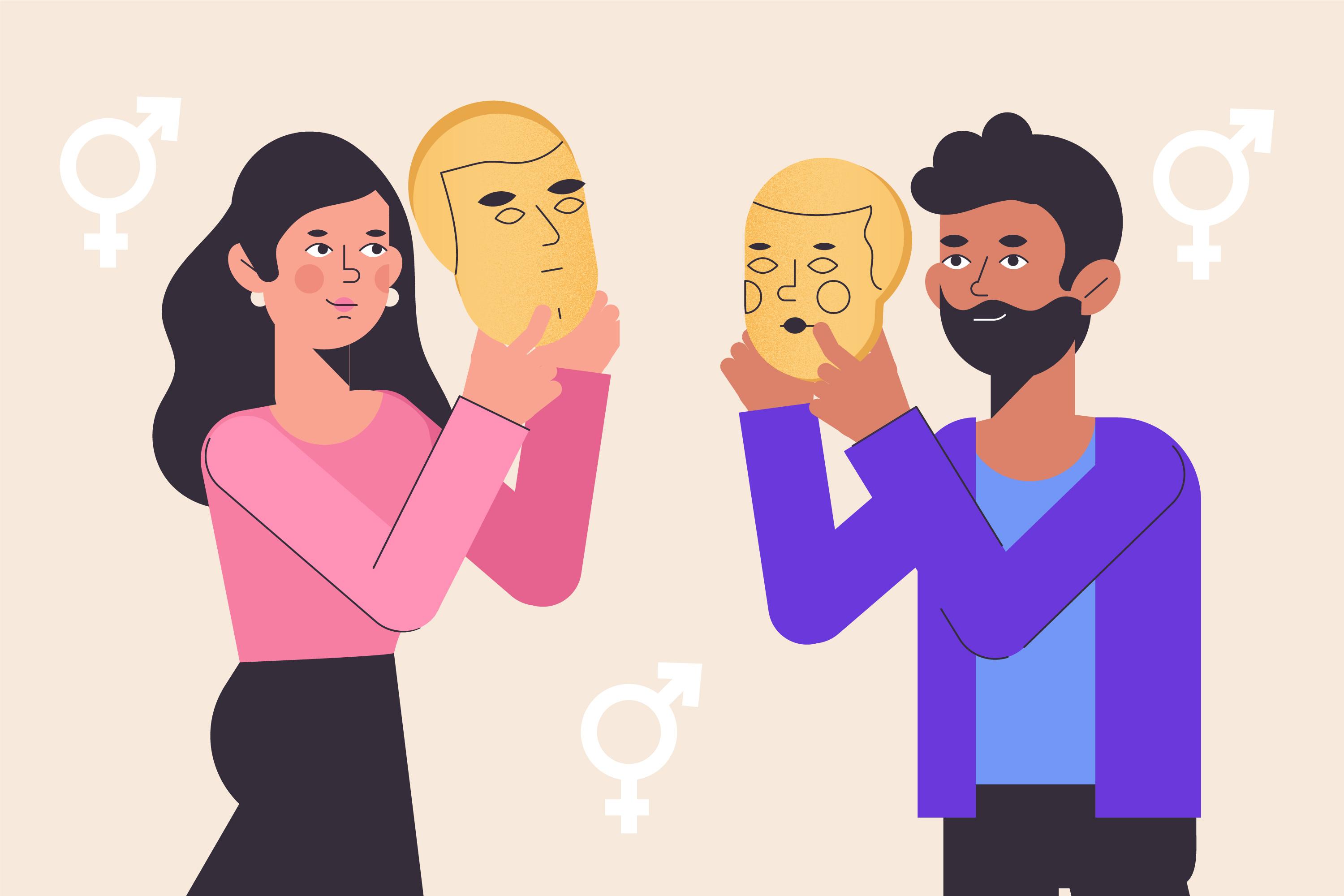
The difference between gender expression and gender identity lies in where the experience happens. Identity is internal and private, while expression is external and public. You cannot always determine someone’s identity by looking at their expression.
| Gender Identity | Gender Expression | |
| Experience | Internal (Mind and Heart) | External (Presentation) |
| Visibility | Hidden unless shared | Visible to the public |
| Examples | Man, Woman, Non-binary, Fluid | Clothing, hair, name, pronouns |
| Control | Inherent sense of self | Choices in styling and behavior |
In the Philippines, people often assume a person’s identity based on their clothes or mannerisms, but these two elements can exist independently.
For example, a person may identify as a woman but feel most comfortable in masculine clothing for safety during a late-night commute. Her clothes are her expression; her sense of being a woman is her identity.
The Lived Experience of Gender
It’s also important to understand the role of your body in this journey. Some people may experience gender dysphoria, which refers to the deep distress felt when their physical body or the way others treat them does not match their internal identity. It’s a significant medical and psychological experience that many transgender people navigate.
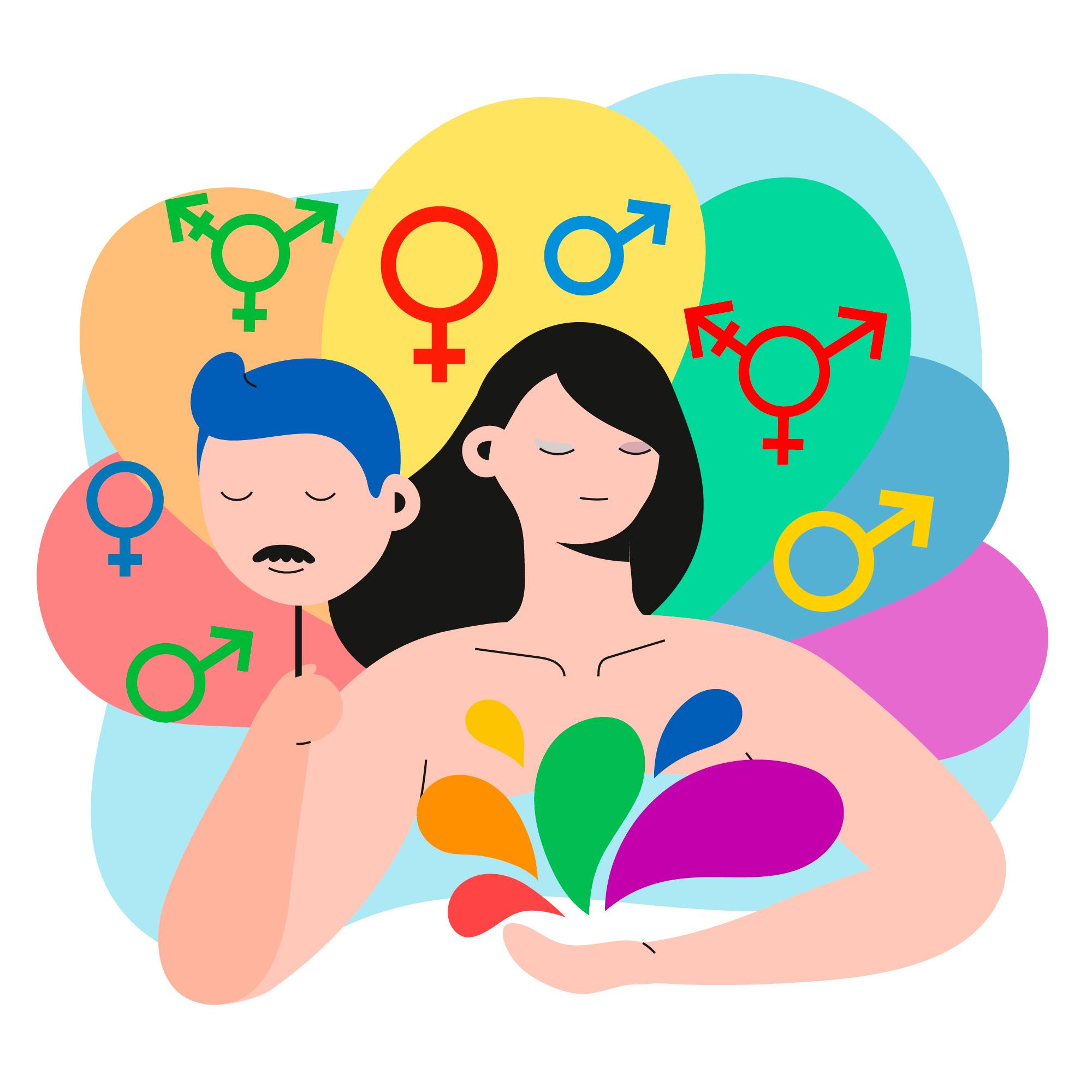
Additionally, don’t confuse identity with gender orientation. While identity is about who you are, orientation is about who you are attracted to. A person who is gender fluid can have any orientation. Understanding these layers allows you to see people as they truly are, rather than through the lens of local stereotypes.
Gender Expression and Identity in the Philippines
Philippine society presents a unique landscape for gender norms. You likely see these dynamics play out in specific environments where traditional expectations often clash with individual truths. Navigating these spaces requires an understanding of how both identity and expression are regulated by social and institutional rules.
Schools and uniform policies
Many Philippine educational institutions still enforce rigid hair and uniform codes. For a student exploring their expression, these rules feel like a cage. You might see a transwoman student forced to cut her hair to comply with “male” grooming standards or a non-binary student struggling with gendered uniforms. These policies often ignore the psychological toll on students, potentially triggering or worsening their experience of gender dysphoria.
Shifts in corporate spaces
In the workplace, “professionalism” has traditionally acted as a filter for gender-conforming behavior. However, the tide is turning. Many BPOs and multinational firms in Manila now implement Diversity, Equity, and Inclusion (DEI) policies. These companies recognize that when you allow employees to dress and identify authentically, productivity increases. You no longer have to choose between your career and your identity.
Media representation
Historically, Philippine media relegated LGBTQ+ individuals to the “parlorista” or comic relief roles. While these characters provided visibility, they often flattened the complexity of gender identities into a single trope.
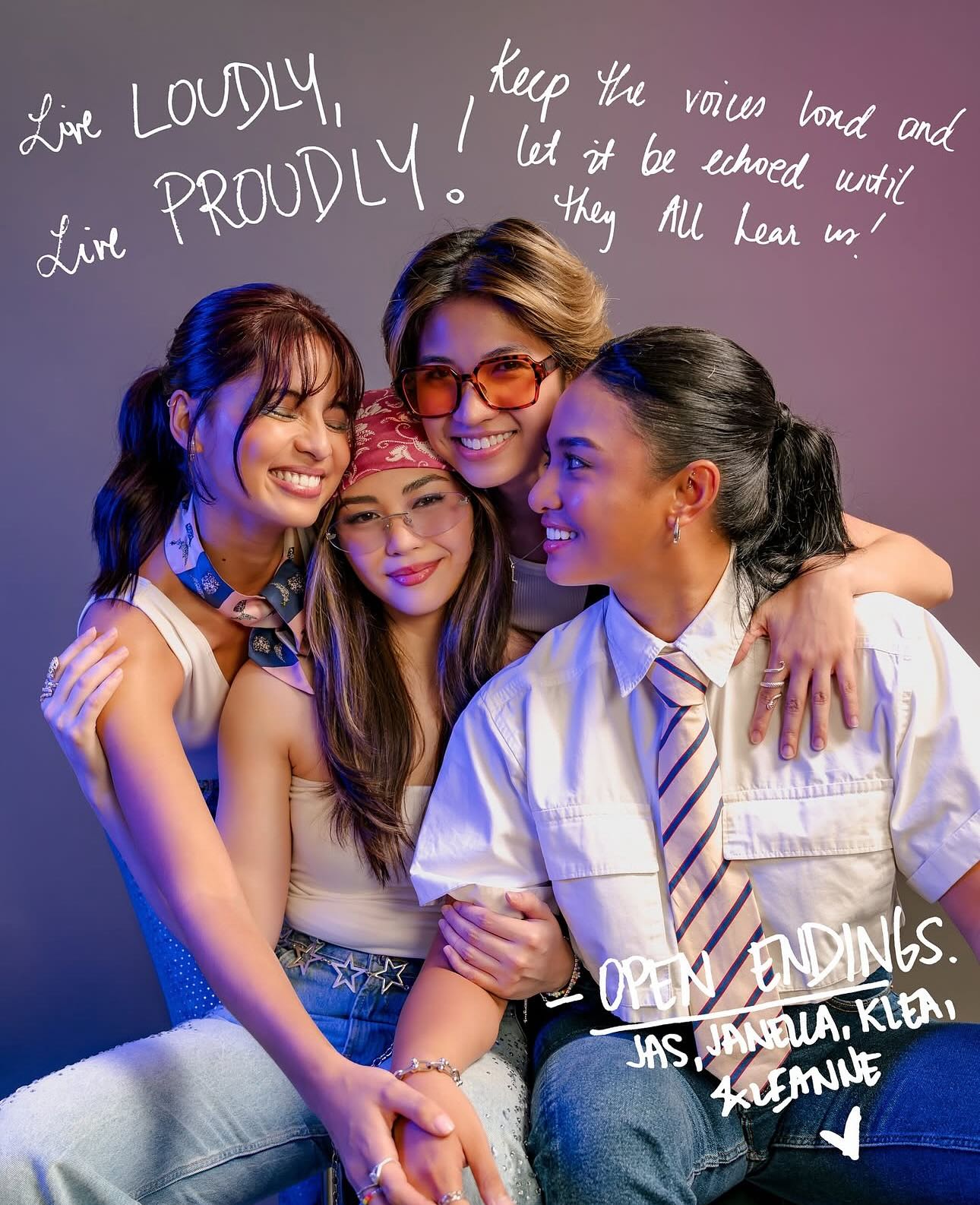
Today, you see a shift. Digital series and indie films now portray queer Filipinos as complex leads with their own aspirations, moving the conversation beyond the punchline.
Legal landscape
You cannot discuss gender in the Philippines without mentioning the SOGIE (Sexual Orientation, Gender Identity, and Expression) Equality Bill. This proposed law seeks to protect individuals from discrimination in schools, workplaces, and healthcare based on their identity or expression.
While many local government units (LGUs) like Quezon City and Cebu City have passed their own anti-discrimination ordinances, a national law remains a central goal for advocates. These legal frameworks aim to ensure that your identity never becomes a barrier to your basic human rights.
4 Ways to Foster Affirming Spaces for Every Gender Identity
Building a more inclusive environment doesn’t require a radical overhaul of your personality. It starts with small, intentional shifts in how you interact with the people around you. Whether you’re navigating your own gender or supporting a friend’s journey, your actions contribute to a culture of safety and respect.
1. Master the language of respect
Pronouns are the simplest way to validate someone’s identity. While the Filipino language gives us a head start with the gender-neutral “siya,” English requires more conscious effort. If someone uses “they/them” or “he/him” despite their assigned sex at birth, respect that choice.
If you make a mistake, don’t over-apologize or make the conversation about your guilt. Correct yourself quickly, move on, and do better next time.
2. Practice active allyship
True allyship moves beyond “live and let live.” It requires you to be an active participant in creating safer spaces.
- Don’t “Out” People – Someone’s story is theirs to tell. Never share a person’s trans or non-binary status without their explicit permission.
- Challenge Casual Bias – When you hear a derogatory joke in a group chat or at a family handaan, speak up. You don’t need to be aggressive; a simple “That’s not cool” or “Why do you find that funny?” can be enough to shift the room’s energy.
- Listen More, Assume Less – If a friend shares their experience with gender dysphoria, listen without trying to “fix” them. Often, being a witness to their truth is the most powerful thing you can do.
3. Embrace your self-expression
Affirmation also comes from how we treat ourselves. Exploring your expression is a vital part of self-care. When you find ways to look and feel more at home in your body, you build the confidence needed to navigate traditional spaces.
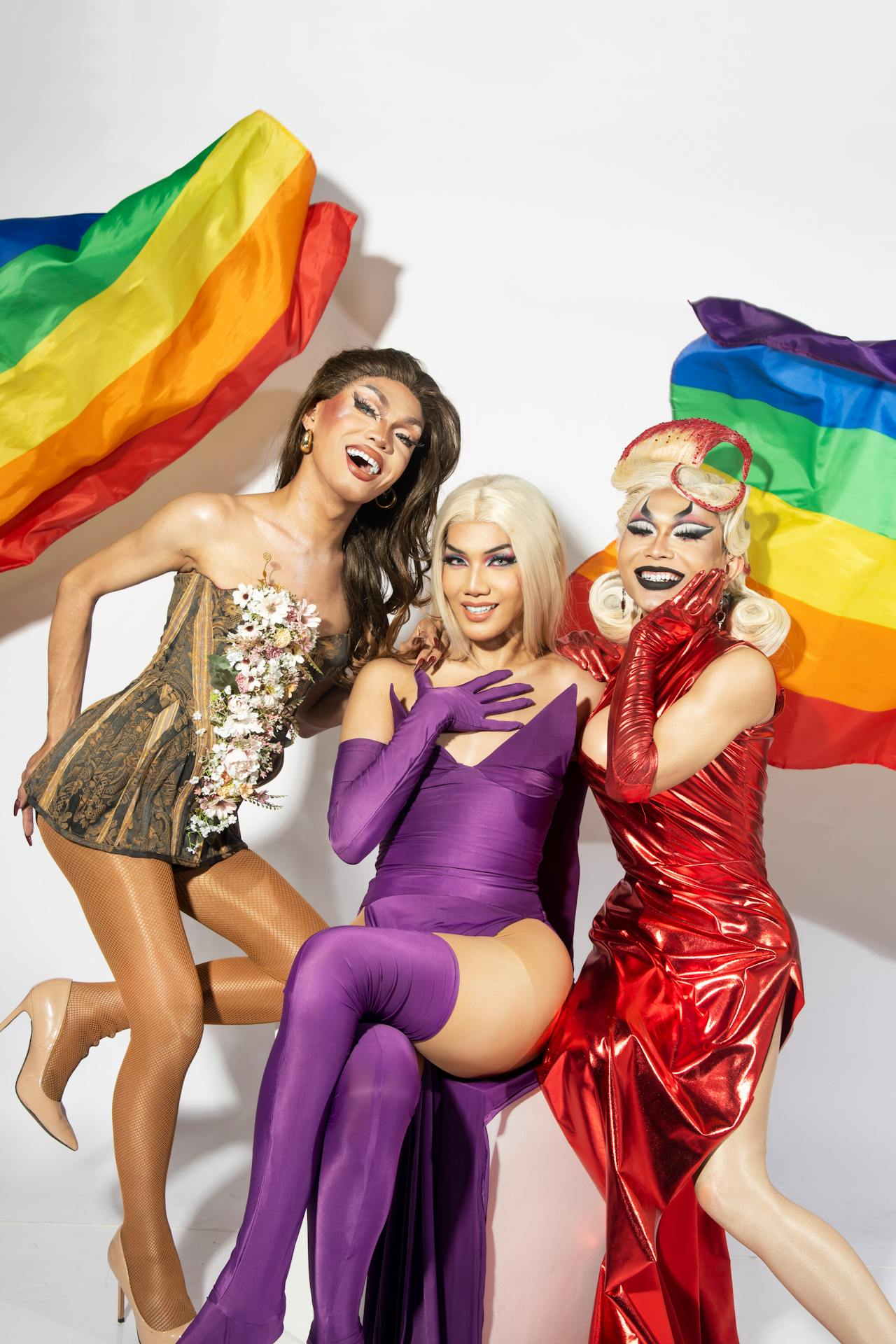
Support systems, such as friends, online communities, or brands that celebrate diversity, help bridge the gap between internal identity and external reality. Taking care of your physical and mental well-being is a radical act of self-love that empowers you to show up authentically every day.
Your Truth, Unfiltered
The goal of understanding gender expression and identity is to ensure that everyone feels safe enough to exist as their true selves. When you strip away the labels and the societal pressure to conform, you are left with a simple truth: everyone deserves the freedom to express who they are without fear of judgment.
At Pink Bunny, we believe that true self-expression extends to your most private moments. As a trusted adult shop in the Philippines, we provide a safe, discreet, and judgment-free space for you to explore what brings you pleasure and comfort.
Whether you’re looking for a high-quality vibrator sex toy to enhance your solo wellness routine, body-safe dildos that fit your needs, or anal toys designed for safe exploration, our curated collection is here to support your journey of self-discovery.
We prioritize your privacy and satisfaction, ensuring that every step toward embracing your body is met with professional care and premium products.
For personalized assistance, feel free to contact us at 0928 382 8623via WhatsApp or Viber, or visit our branches in Cebu, Angeles, Makati, and Quezon City.
FAQs on Gender Identity and Expression
Gender identity is your private, internal sense of who you are, whereas gender expression is the external way you show that identity through clothing, hair, and behavior. These two elements can exist independently, meaning you cannot always determine someone’s identity based solely on their appearance.
Gender identity covers a broad spectrum, including cisgender, transgender, non-binary, and gender fluid. These terms describe how individuals relate to the traditional categories of man or woman, with some identifying as a mix of both, neither, or something that shifts over time.
The most effective way to provide support is to listen without judgment and consistently use the individual’s preferred name and pronouns. Validating their internal experience and providing an affirming environment helps reduce the distress caused by the disconnect between their body and identity.
The SOGIE Equality Bill is a proposed Philippine law designed to protect citizens from discrimination in workplaces, schools, and hospitals based on their identity or expression. While a national law is still being debated, several cities like Cebu, Davao, Zamboanga, Manila, and Quezon City have passed local anti-discrimination ordinances.
Rigid grooming and uniform codes often restrict students from expressing their authentic selves, which can lead to significant psychological distress. Inclusive policies allow students to focus on their education without being forced to conform to traditional gender norms that do not align with their truth.