
A Guide to Intimate Care & Wellness: Routine, Body-Safe Materials, Tips


🐰 TL;DR
Intimate wellness involves a holistic approach that combines physical hygiene and emotional care to support daily comfort, long-term health, and relationship confidence.
- Cleanse external areas daily using a mild, pH-balanced wash.
- Select non-porous, chemical-free products and materials for sensitive skin.
- Cultivate open communication and emotional trust to support healthy connection.
- Wear breathable cotton fabrics and practice mindful post-intimacy habits.
You probably have a dedicated lineup of products for your face and hair, yet it’s easy to overlook or pay the same attention to your body’s most sensitive areas. Caring for this space shouldn’t feel taboo or awkward. It actually belongs right alongside your regular self-care routine, and treating your body consistently can boost your daily comfort and overall confidence.
The specifics of intimate care don’t have to be complicated! This guide breaks down what you need to know to build a healthier, more comfortable foundation. We’ll clarify the core concepts of healthy intimacy and walk you through setting up a reliable intimate care routine. You’ll also learn why choosing body-safe materials makes such a big difference, along with practical tips to improve your habits.
What is Intimate Wellness?
Intimate wellness is a holistic approach to your reproductive and sexual health, blending physical care with emotional balance. It goes beyond basic cleanliness and encompasses your hormonal health, mental well-being, and personal confidence. This helps you feel completely at home in your own body.
How does it differ from intimate hygiene?
Think of intimate hygiene as the practical, physical maintenance of your sensitive areas. It covers the straightforward steps you take to stay clean and comfortable. Wellness captures the bigger picture. While a solid hygiene routine protects your skin from irritation, true wellness means honoring your emotional boundaries and listening to your body’s specific needs.
How to Build Your Intimate Care Routine
A healthy baseline requires consistency and a surprisingly minimalist approach. Your internal anatomy is a highly efficient, self-cleaning machine that regulates its own ecosystem beautifully. The external skin, however, requires regular maintenance just like the rest of your body. You can set a proper foundation with a few core steps.
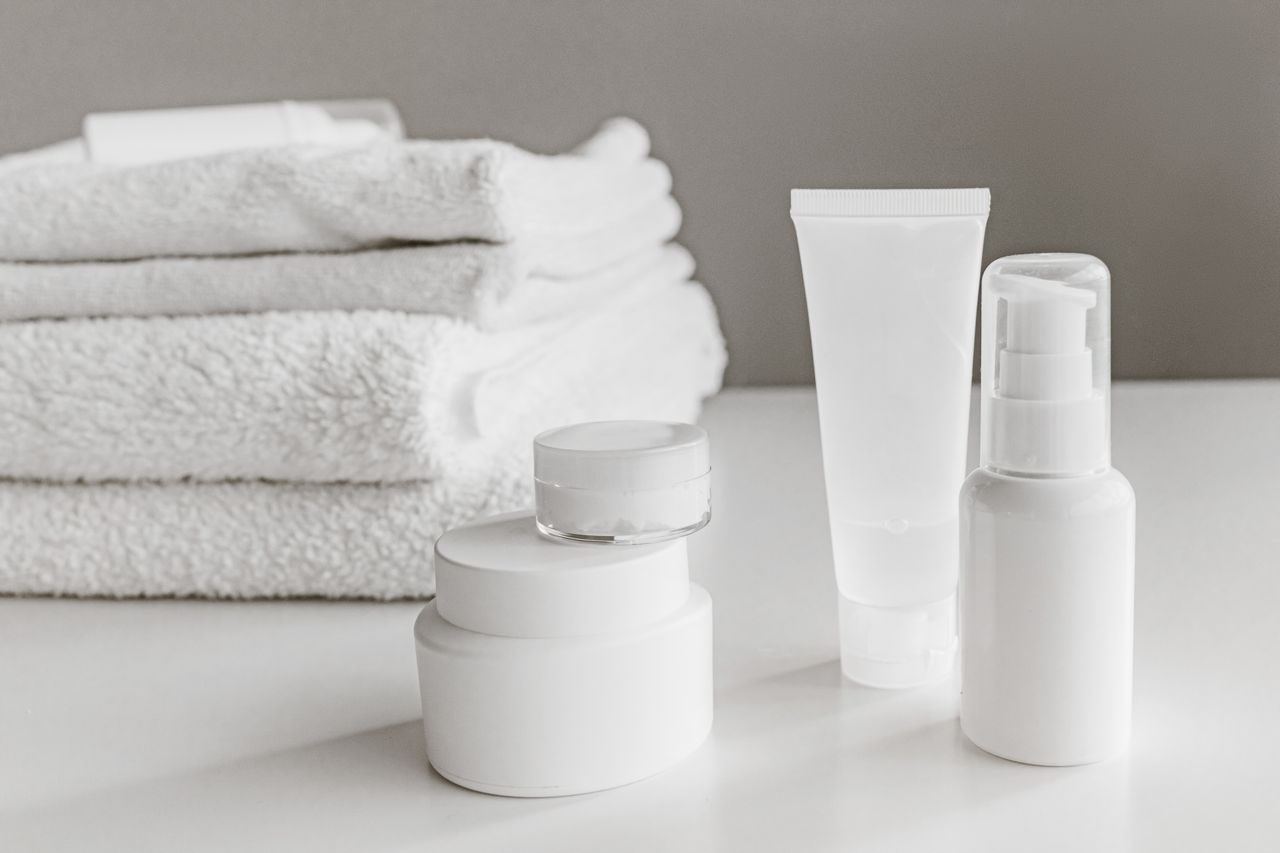
- Stick to gentle cleansing: Wash your external areas once a day using warm water and a mild, pH-balanced cleanser. Heavy detergents and synthetic fragrances disrupt your natural protective barrier and cause unnecessary irritation.
- Dry completely: Moisture trapped against sensitive skin creates an environment where unwanted bacteria thrive. After showering, gently pat the area dry with a soft towel instead of rubbing aggressively.
- Wipe smartly: Always wipe from front to back after using the bathroom. This straightforward habit stops bacteria from migrating and causing discomfort.
Best Body-Safe Materials for Intimate Essentials
Body safety matters throughout your routine, from daily washes to wellness accessories. Your intimate tissues absorb substances at a higher rate than the skin on your arms or legs. The wrong ingredients or porous materials can lead to irritation and discomfort. Here’s what to look for to keep your routine safe and healthy.
Clean, pH-balanced formulas
When selecting an intimate wash, cream, or wipe, read the ingredient list carefully. You want formulas specifically designed to match your body’s naturally acidic environment, ideally sitting at a pH between 3.8 and 5.0.
Avoid synthetic fragrances and harsh sulfates, like sodium lauryl sulfate (SLS). These common additives strip away your natural protective barrier and frequently trigger contact dermatitis.
Safe, high-quality lubricants
Introducing a premium lubricant helps protect sensitive tissues and reduce friction, but the formula must respect your natural chemistry. Stick to clean, water-based options. If you’re prone to sensitivity, avoid products heavily loaded with glycerin. While safe for the rest of your body, high amounts of glycerin in the intimate area can sometimes disrupt your natural balance.
Non-porous wellness accessories
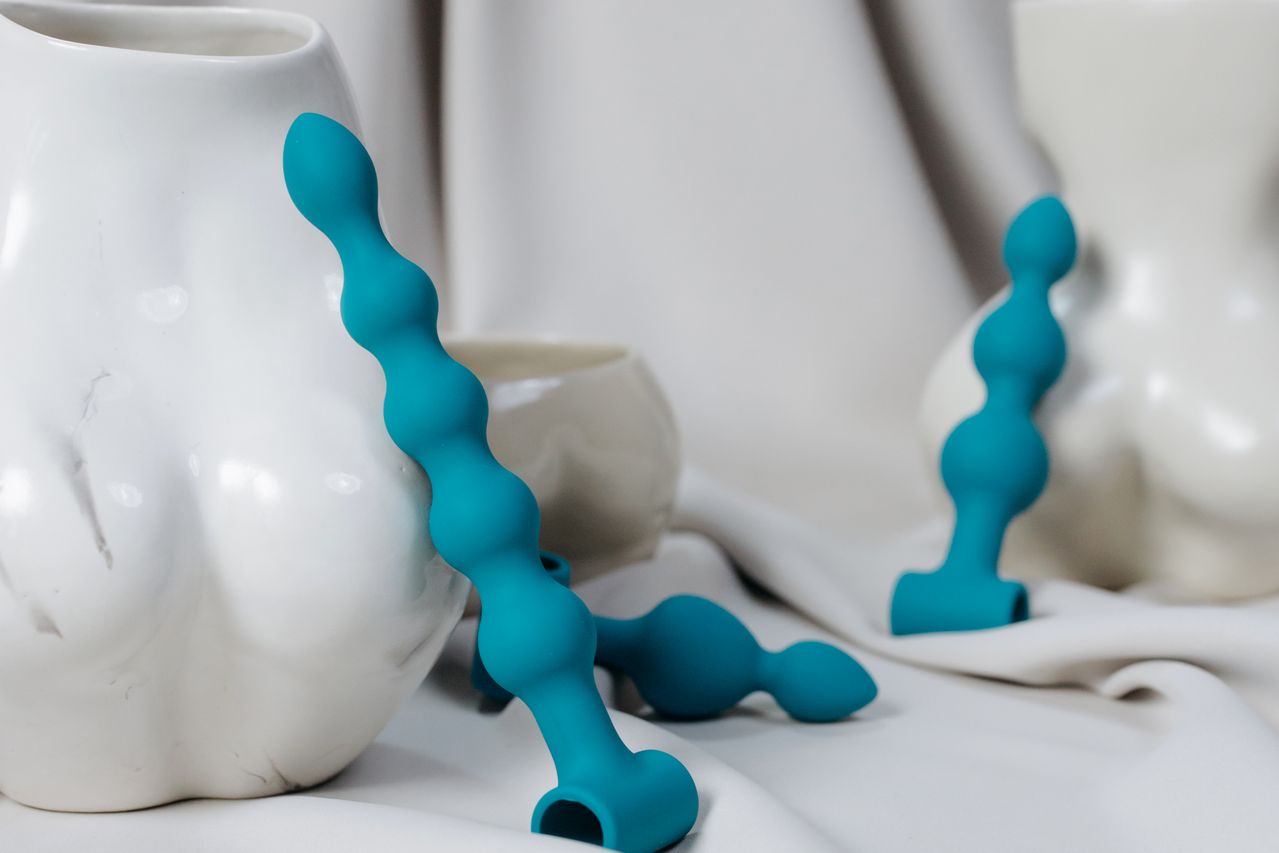
If you incorporate intimate wellness products or care tools into your routine, prioritize non-porous, body-safe materials. Medical-grade silicone is the gold standard because it never absorbs fluids and cleans up effortlessly. Borosilicate glass and medical-grade stainless steel are also excellent, hypoallergenic alternatives that will not harbor bacteria.
Additives and materials to leave behind
As much as possible, skip topical products containing parabens, which are endocrine disruptors. For physical accessories, avoid low-grade synthetic rubbers or plastics. These porous materials are impossible to fully sanitize because their deep, microscopic holes can harbor bacteria. They can also contain phthalates, toxic chemicals used to soften plastics that can severely irritate your skin and disrupt your health.
6 Self-Care Tips for Healthy Intimacy
To improve your routine, you need to balance physical upkeep with emotional awareness. These tips will help you foster a more comfortable, confident relationship with your body and your partner.

1. Foster emotional check-ins
True physical connection begins long before you head to the bedroom. Anxiety, daily stressors, and unspoken friction easily tank your drive. Take time to communicate your boundaries and desires outside of intimate moments. Emotional safety creates the trust you need to fully relax and enjoy closeness.
2. Prioritize comfort and moisture
Your body’s natural moisture levels fluctuate due to hormonal shifts, stress, or everyday lifestyle changes. A high-quality, pH-balanced, friction-reducing formula helps prevent painful microtears in the tissue. Opting for clean, water-based formulas protects sensitive skin while keeping your experience effortless.
3. Practice proper post-intimacy care
Always use the bathroom immediately after intimate moments. Urinating flushes out bacteria that may have migrated into the urethra, reducing your risk of a urinary tract infection (UTI). Follow up with a simple swish of clear, warm water over the exterior areas. Making this a habit protects your skin barrier and enhances your intimate self-care.
4. Cultivate a mind-body connection
Mental fatigue traps you inside your own head and pulls you away from the present. When performance pressure or distractions take over, your physical responses stall. Try integrating short mindfulness practices or shared relaxation techniques into your daily routine to lower cortisol levels. Setting the stage helps your brain transition from stress to pleasure.
5. Stick to breathable fabrics
Moisture control is a fundamental aspect of daily care. Tight clothing and synthetic underwear trap heat and sweat against your skin, forming a breeding ground for bacteria and yeast. Wear loose-fitting cotton underwear to maximize regular airflow and keep the area cool. Remember to change your undergarments immediately after intense workouts or heavy sweating.
6. Get to know your baseline anatomy
You can’t recognize when something’s wrong if you don’t know what healthy looks like for you. Take time to learn your body’s typical patterns, scents, and appearance using a hand mirror.
Your tissue naturally changes with age and hormonal cycles, so tracking what’s normal builds confidence. If you notice a sudden change in texture or smell, you can confidently discuss it with a healthcare provider.
While these practices apply universally, biological differences require a few specific intimate hygiene tips for your daily upkeep:
| Focus Area | Personal Hygiene for Women | Personal Hygiene for Men |
|---|---|---|
| Cleansing | Cleanse only the exterior surfaces. Skip internal washing to protect your natural balance. | Wash the entire external region gently. Pay close attention to sensitive folds to clear away natural buildup. |
| Bathroom habits | Always wipe from front to back. This vital feminine hygiene tip prevents bacteria from migrating. | Dry the area completely after using the restroom. Lingering moisture causes unwanted friction and irritation. |
| Drying off | Pat the skin dry with a soft towel after showering. Avoid harsh rubbing to keep delicate tissues comfortable and intact. | Towel off thoroughly before getting dressed. Preventing dampness avoids chafing and discomfort. |
| Clothing choices | Choose breathable cotton underwear for daily wear. Change out of sweaty workout gear immediately. | Opt for loose-fitting fabrics to allow proper airflow. Keeping the area cool and dry reduces friction throughout the day. |
Honoring Your Body’s Daily Rhythm
Taking care of your body shouldn’t feel like a chore. It’s a foundational part of how you show up for yourself every day. When you prioritize clean ingredients, mindful routines, and open communication, you’re investing directly in your own comfort and long-term peace of mind.
True intimate wellness comes down to listening to your body and choosing habits that respect its natural balance. Remember that when it comes to your health, knowledge is power. Being familiar with your unique patterns means you can handle changes smoothly and step into your daily routine with total confidence.
By keeping your habits simple and your products safe, you ensure that physical comfort and emotional closeness remain completely effortless. Explore our curated intimacy essentials at Pink Bunny.
Intimate Care and Wellness: Frequently Asked Questions (FAQs)
Intimate care refers to the physical hygiene and holistic wellness practices focused on your body’s most sensitive areas. It combines daily cleansing routines with emotional well-being, hormonal health, and personal confidence and goes beyond basic cleanliness to support your overall health.
Proper intimate care involves daily gentle cleansing with a pH-balanced wash (pH 3.8–5.0), thorough drying to prevent bacterial growth, and front-to-back wiping habits for women. Use body-safe, non-porous accessories, clean lubricants, and practice post-activity hygiene, such as urinating afterward, to reduce the risk of infection.
Your external intimate skin thrives in a slightly acidic environment, typically at a pH between 3.8 and 5.0. Regular soaps disrupt this natural barrier. They strip away protective oils that leave you vulnerable to irritation.
Non-porous, medical-grade materials such as silicone, borosilicate glass, and stainless steel are the safest choices. Unlike low-grade synthetic rubbers, they prevent fluid absorption and stop harmful bacterial buildup cleanly.
High stress elevates cortisol levels, causing mental fatigue that directly stalls your body’s physical responses and lowers libido. Cultivating emotional safety and mindfulness helps transition your brain out of survival mode into a relaxed state.