
Filipino Urban Legends: 10 Superstitions About Sex and Pregnancy


🐰 TL;DR
Filipino urban legends about intimacy and childbirth often blur cultural heritage with medical fact. Unpacking these myths helps you prioritize safe reproductive health.
- Elders created these rules to manage fears before modern medicine.
- Bedroom superstitions often lead to poor hygiene and ineffective contraception.
- Maternity myths falsely link harmless cravings to actual fetal development.
- Trusting medical science over folklore prevents anxiety and physical harm.
Older generations hold a massive influence over Filipino family life. When a lola or a tita offers advice regarding health, relationships, or childbirth, most people listen out of deep respect. However, this well-meaning guidance often blurs the line between cultural heritage and objective medical fact.
Our elders passed down countless narratives to protect younger family members from the unknown. Yet, adhering to outdated advice about reproductive health can lead to unnecessary anxiety, poor hygiene, or unintended consequences.
This guide unpacks the common Filipino urban legends surrounding intimacy and maternity. We’ll explore where such Filipino superstitions originated and reveal the scientific truths you need to stay safe and informed.
The Origins of Filipino Superstitions
Before modern clinics were easy to reach, families relied heavily on folklore to make sense of the world. When someone faced a sudden illness, an unexpected pregnancy, or a difficult childbirth, these narratives gave communities a much-needed sense of control. Since modern medical science wasn’t readily available to explain these complex bodily changes, our ancestors created their own protective rules to keep everyone safe.

Today’s myths are actually a fascinating mix of our rich history. Pre-colonial animistic traditions taught early Filipinos that invisible environmental forces constantly interacted with human bodies.
Later on, Spanish colonization introduced intense religious modesty and guilt around intimacy. This specific historical cocktail created a culture of extreme caution, making reproductive health highly taboo and wrapping it in fear-based urban legends.
Urban Legends About Sex: 5 Myths Debunked
Let’s dive right into the bedroom. For decades, these urban legends have caused unnecessary panic and led to some truly ineffective contraceptive choices.
1. Washing up immediately causes “pasma”
The Myth: Showering or washing your genitals right after intercourse leads to involuntary tremors, nerve damage, or “pasma.”
The Science: In reality, post-sex hygiene is highly recommended. Washing up helps clear away bacteria and significantly lowers your risk of developing urinary tract infections (UTIs). In other words, pasma is a culturally bound syndrome, and medical science doesn’t recognize it as a real condition. Your nerves won’t short-circuit just because water touches your skin after physical exertion.
2. Jumping up and down prevents pregnancy
The Myth: Gravity will force the semen out, acting as a natural contraceptive if you jump right after the act.
The Science: Sperm cells are microscopic, incredibly fast swimmers. Ejaculation propels them into the cervical mucus almost instantly. Gravity simply can’t compete with basic sperm motility. Jumping, squatting, or shaking offers zero protection against conception.
3. Certain sodas can prevent pregnancy or STDs
The Myth: Washing the vagina with or drinking specific carbonated sodas acts as a spermicide or flushes out diseases.
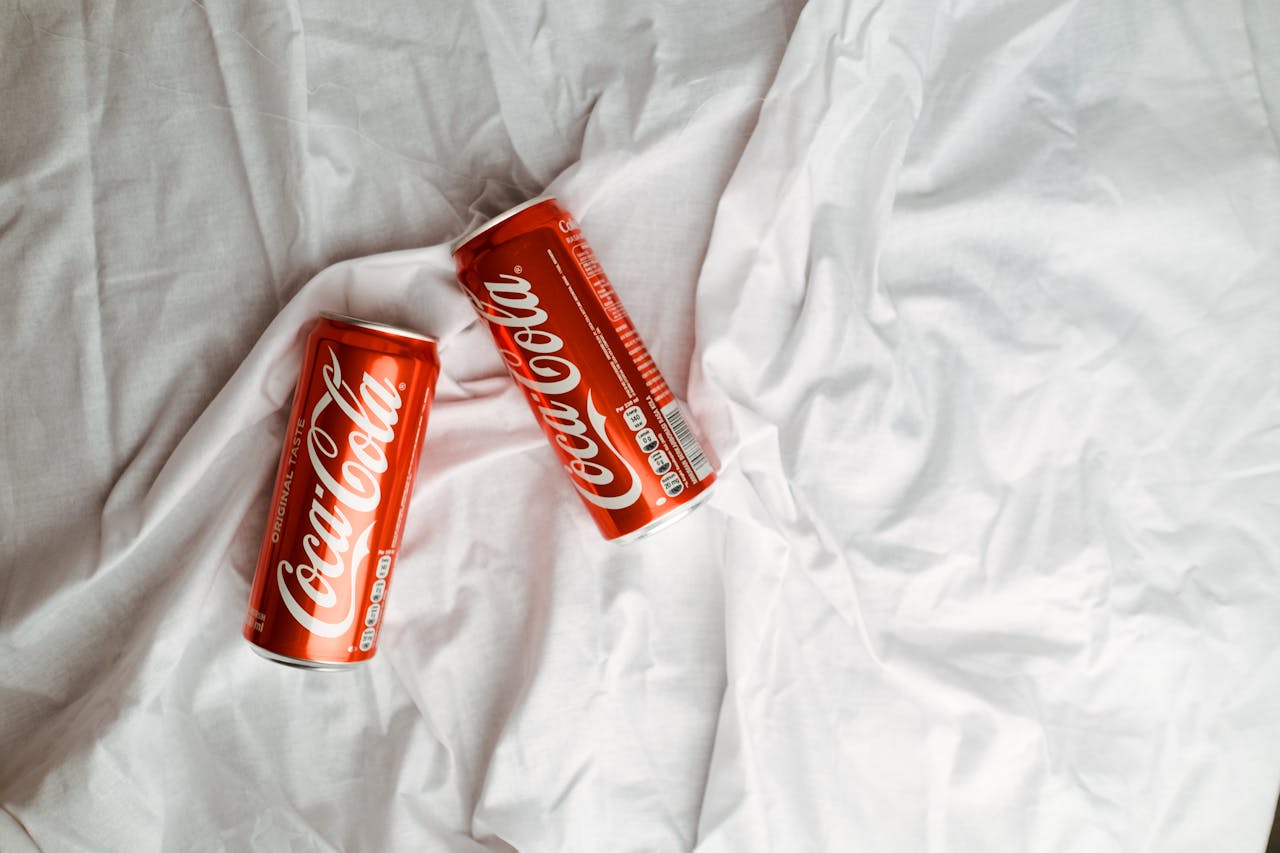
The Science: Not only is this a false claim, but also an actively dangerous one. Douching with soda destroys your natural, healthy bacteria and aggressively disrupts your vaginal pH. This practice actually leaves you far more vulnerable to bacterial infections and does absolutely nothing to stop fast-moving sperm or viruses.
4. Bleeding on the first night is mandatory
The Myth: A broken hymen and bleeding strictly dictate whether a person is a virgin.The Science: The hymen isn’t a freshness seal that pops. It’s a stretchy, thin piece of tissue that naturally wears down over time through everyday activities like riding a bike, using tampons, or doing gymnastics. Many people never bleed during their first sexual encounter, making this myth a terrible, inaccurate indicator of someone’s sexual history.

5. The “pull-out” method is a guaranteed contraceptive
The Myth: Withdrawal completely eliminates the risk of conception as long as the partner finishes outside. The Science: Pre-ejaculate (pre-cum) routinely harbors active, viable sperm. Even with perfect timing, the withdrawal method has a notoriously high failure rate. If you’re serious about preventing pregnancy, you need reliable birth control methods rather than relying on reflexes.
Understanding how your body actually works is the first step toward taking control of your sexual wellness. As a trusted adult shop, Pink Bunny champions safe, informed intimacy by providing reliable educational resources and body-safe essentials to support your journey. Explore our blog for more expert-backed insights on healthy relationships and personal comfort.
Common Filipino Superstitions About Pregnancy
Maternity attracts a lot of unsolicited advice. While usually meant to protect the mother and child, many Filipino pregnancy superstitions simply create unnecessary anxiety.

Here are some of the most famous maternity myths:
6. “Paglilihi” dictates the baby’s appearance
If you crave dark foods like dinuguan or spend too much time looking at a specific person during your first trimester, your baby will physically absorb those traits.
The Reality: A baby’s physical appearance is determined entirely by DNA at the exact moment of conception. No amount of craving or staring can rewrite basic human genetics.
7. Stepping over your husband transfers morning sickness
Many elders swear that if you quietly step over your sleeping husband, he’ll wake up carrying your nausea.
The Reality: While it’s a hilarious concept, morning sickness actually stems from a massive spike in human chorionic gonadotropin (hCG) hormones and estrogen. Since your partner doesn’t share your hormonal fluctuations, they can’t magically catch your nausea.

8. Wearing necklaces causes the umbilical cord to wrap
Draping a necklace, towel, or ID lanyard around your neck causes the baby’s umbilical cord to wrap around their neck in the womb.
The Reality: What you wear outside your body has absolutely no physical effect on the isolated environment inside your amniotic sac. A nuchal cord happens randomly due to the baby’s natural gymnastics and movement in the womb.
9. The shape of the bump determines the baby’s sex
A pointed belly means a boy, while a wide, round belly means a girl.
The Reality: People love to guess the baby’s sex based on how you carry. In truth, your bump’s shape depends on your core muscle tone, your physical height, and the fetus’s resting position inside the uterus.

10. Eating twin bananas results in twins
Consuming attached fruits, like twin bananas, will cause a multiple birth.
The Reality: Fraternal twins occur through hyperovulation (releasing two eggs in one cycle), while identical twins happen when a single fertilized egg splits early on. Eating conjoined fruit in the kitchen doesn’t alter your ovarian function.
Why Following These Myths Can Be Harmful
While most Filipino superstitions about pregnancy and sex come from a place of genuine concern, believing them over modern medicine creates real-world risks. Blindly following these old rules often leads people to make poor, unsafe choices regarding their bodies.
Here’s a sample breakdown of why relying on these urban legends is dangerous:
| Superstition | Actual Consequence | Safe Medical Practice |
|---|---|---|
| Avoiding washing up to prevent “pasma” | You trap bacteria near the urethra, significantly increasing your risk of painful urinary tract infections. | Always urinate and wash your genitals gently with warm water immediately after sex. |
| Using soda as a spermicide or wash | The sugar and harsh chemicals destroy good bacteria, inviting severe yeast infections and bacterial vaginosis. | Use safe, doctor-approved contraceptives and only wash the vulva with water or mild, unscented soap. |
| Relying on jumping or the “pull-out” method | Both methods have massive failure rates, leaving you entirely unprotected against unintended pregnancy and STIs. | Speak to a healthcare provider about reliable barrier methods (condoms) or hormonal birth control. |
| Blaming “paglilihi” for physical traits | It creates unnecessary anxiety, guilt, or superstitious dieting during a time when the mother needs balanced nutrition. | Focus on maintaining a healthy, nutrient-rich diet to support actual fetal development and maternal health. |
Breaking the Bedroom Myths
While it’s easy to laugh at some of these old stories today, we can still respect the protective intentions of our ancestors. They did the best they could to protect their families with the limited information they had at the time.
However, prioritizing modern medicine and scientifically backed facts remains the only way to keep yourself genuinely safe. Ditching these outdated myths allows you to make confident, informed decisions about your reproductive health and family planning.
If you’re ready to embrace modern, informed intimacy, Pink Bunny is a trusted sex toy shop in the Philippines ready to support your journey. We offer a premium selection of body-safe products, whether you’re looking for a gentle vibrator for sex, ergonomically designed dildos, or beginner-friendly anal toys.
You can enjoy complete peace of mind with our completely discreet packaging, convenient cash-on-delivery options, same-day delivery within the NCR, and free shipping on orders over ₱1,490.
Reach out to us and find your next intimate essential. Contact us through 0928 382 8623 via WhatsApp or Viber, or visit our physical branches in Makati, Quezon City, Cebu, and Angeles.
Filipino Superstitions About Sex and Pregnancy: FAQs
No, the concept of “pasma” is a cultural myth rather than a medical condition. Washing your genitals after intercourse is actually recommended by healthcare providers to flush out bacteria and prevent urinary tract infections. Showering will not cause tremors or nerve damage.
Jumping up and down has no effect on preventing pregnancy because sperm cells move into the cervix almost immediately after ejaculation. Gravity cannot stop microscopic sperm motility. For reliable protection, you should always use proven contraceptive methods like condoms or birth control.
Bleeding is not a mandatory indicator of virginity. Many people have a thin or flexible hymen that can stretch or wear down through sports, tampons, or general physical activity long before their first sexual encounter. Lack of blood does not mean someone has had previous partners.
No, your “paglilihi” or specific food cravings have zero impact on your child’s physical features. A baby’s appearance is determined solely by genetic traits inherited from both parents at conception. Looking at certain objects or eating dark foods will not alter the baby’s skin tone or facial structure.
The shape of a pregnancy bump cannot accurately predict the baby’s sex. Your belly’s appearance is dictated by your height, uterine position, and abdominal muscle strength. To know the sex for certain, you should rely on an ultrasound or prenatal screening rather than the shape of your bump.